
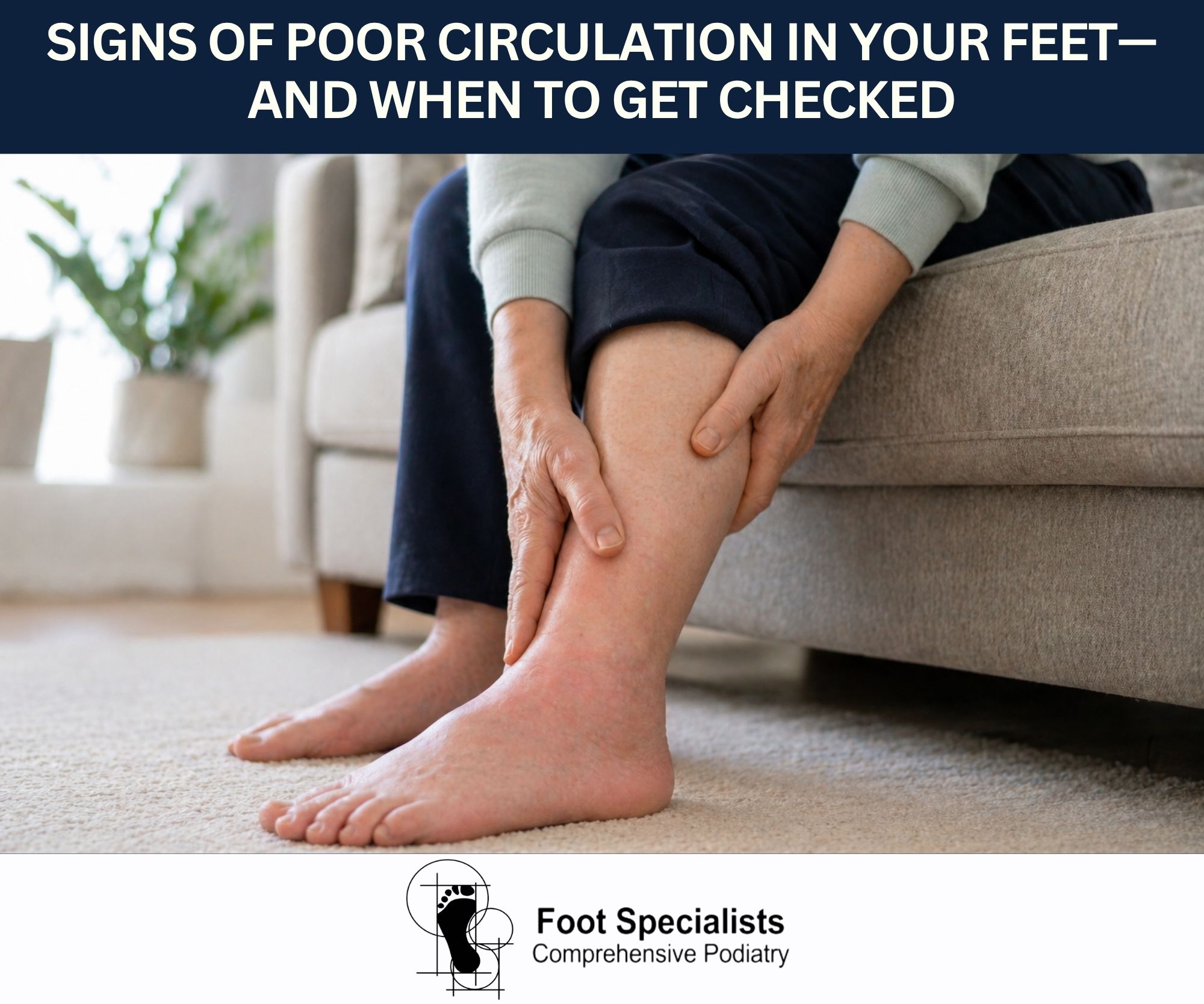
Your feet can reveal a lot about your overall health. One of the most important—but often overlooked—issues is poor circulation. Reduced blood flow to the feet can signal underlying conditions such as peripheral artery disease (PAD), diabetes, or cardiovascular problems. Recognizing the early signs can make a significant difference in preventing complications and protecting your long-term health.
At Comprehensive Podiatry Associates, P.C. Foot Specialists, patients receive expert, personalized care for circulation-related foot concerns and a wide range of podiatric conditions. Here’s what you need to know.
What Is Poor Circulation?
Poor circulation occurs when blood flow to certain areas of the body—like your feet—is restricted. Healthy circulation is essential because it delivers oxygen and nutrients to tissues while removing waste products. When this process is impaired, your feet are often among the first places symptoms appear.
Common Signs of Poor Circulation in Your Feet
Recognizing these warning signs early can help prevent serious complications:
1. Cold Feet
If your feet frequently feel cold—even in warm environments—it may indicate reduced blood flow.
2. Numbness or Tingling
A “pins and needles” sensation can be a sign that nerves aren’t receiving enough oxygen-rich blood.
3. Swelling (Edema)
Fluid buildup in the feet and ankles may point to circulation issues, especially if it worsens throughout the day.
4. Skin Discoloration
Bluish, pale, or reddish skin tones can indicate poor oxygenation of the tissues.
5. Slow-Healing Wounds
Cuts, blisters, or sores that take longer than usual to heal may signal circulation problems—particularly important for individuals with diabetes.
6. Weak or Absent Pulse
A diminished pulse in the feet can be a key clinical indicator of restricted blood flow.
7. Hair Loss on Feet and Toes
Reduced circulation can affect hair growth, leading to thinning or loss of hair on your lower legs and feet.
8. Cramping or Pain When Walking
Pain that occurs during activity and improves with rest (claudication) is a hallmark symptom of peripheral artery disease.
What Causes Poor Circulation?
Several underlying conditions may contribute to poor circulation in the feet:
- Peripheral artery disease (PAD)
- Diabetes
- High blood pressure
- High cholesterol
- Smoking
- Obesity
- Sedentary lifestyle
When Should You See a Foot Specialist?
You should seek professional evaluation if you experience:
- Persistent coldness or numbness
- Foot pain while walking
- Non-healing wounds or ulcers
- Noticeable skin color changes
- Swelling that doesn’t improve
- Any symptoms if you have diabetes or heart disease
Early diagnosis and treatment can help prevent serious complications such as infections, tissue damage, or even limb loss.
How Comprehensive Podiatry Associates Can Help
At Comprehensive Podiatry Associates, P.C. Foot Specialists, expert podiatrists provide:
- Thorough vascular and neurological foot evaluations
- Advanced diagnostic testing
- Personalized treatment plans
- Preventive care for high-risk patients (including diabetics)
- Education on lifestyle changes to improve circulation
Their goal is to restore comfort, improve mobility, and protect your overall health.
Tips to Improve Circulation in Your Feet
While medical care is essential, these lifestyle habits can support better circulation:
- Stay physically active (walking is excellent)
- Elevate your feet when resting
- Avoid smoking
- Maintain a healthy weight
- Wear properly fitted shoes
- Manage chronic conditions like diabetes and hypertension
Comprehensive Q&A Section
Q: Can poor circulation in my feet be reversed?
A: In many cases, symptoms can be improved with early intervention, lifestyle changes, and proper medical treatment. However, underlying conditions like PAD require ongoing management.
Q: Is poor circulation dangerous?
A: Yes, if left untreated, it can lead to serious complications such as infections, ulcers, or tissue damage. Early detection is key.
Q: How is poor circulation diagnosed?
A: A podiatrist may perform physical exams, check pulses, and use diagnostic tools such as Doppler ultrasound or vascular studies.
Q: Are cold feet always a sign of poor circulation?
A: Not always, but persistent coldness—especially when combined with other symptoms—should be evaluated by a specialist.
Q: What is the connection between diabetes and circulation problems?
A: Diabetes can damage blood vessels and nerves, significantly increasing the risk of poor circulation and foot complications.
Q: When should I worry about foot numbness?
A: If numbness is frequent, worsening, or accompanied by pain or discoloration, it’s important to seek medical attention promptly.
Q: Can exercise really improve circulation?
A: Yes. Regular physical activity helps improve blood flow and overall vascular health.
Contact Comprehensive Podiatry Associates, P.C. Foot Specialists
East Setauket Location:
35 Shore Road
East Setauket, NY 11733
Phone: (631) 689-0202
Selden Location:
871 Middle Country Road
Selden, NY 11784
Phone: (631) 451-1125
Website: nycompod.com