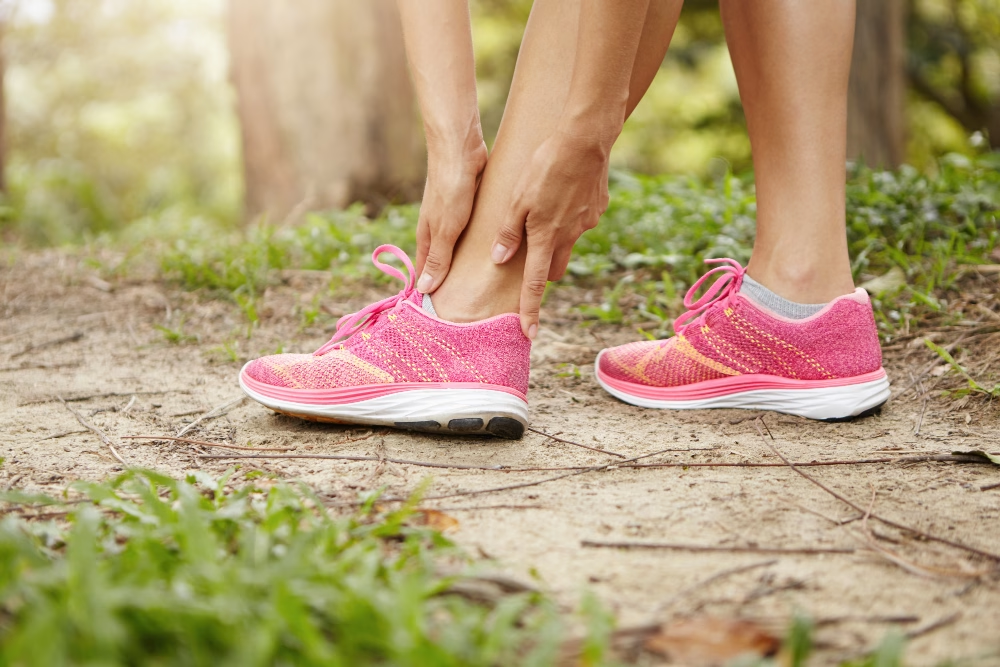
When the natural padding under the ball of the foot or heel becomes thin, every step can feel like walking directly on bone. This condition is called fat pad atrophy, and it can cause chronic pain, burning, calluses, pressure sores, difficulty walking barefoot, and discomfort even in supportive shoes.
At Comprehensive Podiatry Associates, P.C. Foot Specialists, patients in East Setauket, Selden, Stony Brook, Port Jefferson, Centereach, Smithtown, Coram, and surrounding Suffolk County communities receive advanced evaluation and treatment for painful foot conditions, including heel pain, metatarsalgia, neuromas, diabetic foot concerns, arthritis, and pressure-related foot pain.
LipoSana Fat Pad Injections may be considered for patients with painful fat pad atrophy who need more cushioning beneath high-pressure areas of the foot.
What Is LipoSana?
LipoSana is an injectable fat pad restoration treatment used to help replace lost cushioning in areas of the foot affected by fat pad atrophy. It uses processed donated fat tissue that is placed into areas where the natural fat pad has thinned, helping restore soft tissue volume and shock absorption under painful pressure points such as the ball of the foot or heel.
Also known as: fat pad injections, foot fat pad restoration, adipose tissue injections, fat pad augmentation, human adipose tissue allograft injections, ball-of-foot cushioning injections, heel fat pad restoration, non-surgical fat pad replacement.
What Is Fat Pad Atrophy?
Fat pad atrophy occurs when the natural fatty cushion beneath the foot becomes thin, displaced, or less protective. The fat pads under the heel and ball of the foot are designed to absorb impact and reduce pressure on bones, joints, nerves, and skin. When that cushion wears down, patients may feel pain directly under the metatarsal heads, heel, or other high-pressure areas.
Common symptoms include:
- Feeling like you are “walking on bone”
- Pain in the ball of the foot or heel
- Burning or aching under pressure points
- Pain when walking barefoot or in thin-soled shoes
- Thick calluses under the forefoot
- Tenderness under the metatarsal heads
- Difficulty standing for long periods
- Skin irritation or pre-ulcerative pressure in high-risk patients
Why Does Foot Fat Pad Atrophy Happen?
Common causes include aging, years of walking or standing on hard surfaces, high-impact sports, high heels or thin-soled shoes, arthritis, diabetes-related foot changes, neuropathy, prior foot surgery, bunions or hammertoes, metatarsalgia, high arches, rheumatoid arthritis, repeated corticosteroid injections in the same area, and natural loss of collagen and soft tissue volume.
How LipoSana Fat Pad Injections May Help
LipoSana is designed to add cushioning to areas where the foot’s natural padding has worn down.
Potential benefits include:
- Restores cushioning beneath painful pressure points
- Helps reduce ball-of-foot and heel pain from fat pad loss
- May improve comfort when walking or standing
- May reduce pressure-related callus formation
- Non-surgical treatment option
- In-office injection procedure
- May help patients avoid more invasive procedures
- May support better weight distribution across the foot
Conditions That May Benefit From LipoSana Fat Pad Restoration
Ball-of-Foot Pain — Pain under the ball of the foot is often linked to pressure beneath the metatarsal heads. LipoSana injections may help restore soft tissue padding beneath these high-pressure areas.
Metatarsalgia — Fat pad atrophy is one possible cause of sharp, aching, burning, or bruised pain directly beneath the metatarsal heads.
Heel Fat Pad Atrophy — Heel fat pad pain often feels like bruising directly under the heel and worsens on hard floors or with barefoot walking, which is different from plantar fasciitis.
Painful Calluses — If calluses keep returning under the ball of the foot, fat pad loss may be contributing to the problem.
Diabetic Foot Pressure Concerns — Patients with diabetes may be more vulnerable to pressure-related skin breakdown, especially if neuropathy is present.
Post-Surgical Soft Tissue Defects — LipoSana may be considered in select cases where added cushioning is needed after prior foot surgery.
Who May Be a Good Candidate?
You may be a candidate for LipoSana Fat Pad Injections if you have pain from fat pad atrophy, ball-of-foot or heel pain when walking or standing, pain that feels like walking on bone, pressure-related calluses, metatarsalgia that has not improved enough with padding, pain despite supportive shoes or orthotics, high-pressure areas under the forefoot or heel, or a desire to avoid surgery when possible.
A proper podiatric evaluation is essential because fat pad atrophy can mimic other conditions, including Morton’s neuroma, plantar fasciitis, bursitis, capsulitis, arthritis, stress fractures, and tendon problems.
What to Expect During a LipoSana Appointment
Step 1: Foot pain evaluation reviewing symptoms, medical history, activity level, footwear, and prior treatments.
Step 2: Pressure and structure assessment of fat pad thickness, callus patterns, bony pressure points, metatarsal alignment, gait, shoe wear, and diabetic foot risk factors.
Step 3: Diagnostic imaging when needed to rule out fractures, arthritis, bone spurs, or other causes of pain.
Step 4: Treatment planning — before recommending LipoSana, your podiatrist may discuss cushioned shoes, custom orthotics, metatarsal pads, heel cups, offloading pads, callus care, and activity modification.
Step 5: LipoSana injection into the area of fat pad loss to help improve cushioning and reduce pressure-related pain.
Step 6: Follow-up care with temporary activity modification, supportive shoes, or custom orthotics to protect the treated area.
Important Note About Results & Expectations
Fat pad restoration is an emerging area in podiatric care. Early studies and case series are promising, but outcomes can vary based on foot structure, diagnosis, activity level, pressure patterns, diabetes status, and severity of fat pad loss. LipoSana does not correct every cause of foot pain — if pain is caused primarily by a nerve problem, fracture, arthritis, plantar fasciitis, or tendon injury, another treatment may be more appropriate.
Serving East Setauket, Selden & Surrounding Communities
We provide LipoSana fat pad injection evaluations for patients in East Setauket, Selden, Stony Brook, Port Jefferson, Centereach, Smithtown, Coram, and throughout Suffolk County and Long Island.
East Setauket Office: 35 Shore Road, East Setauket, NY 11733 | Phone: (631) 689-0202
Selden Office: 871 Middle Country Road, Selden, NY 11784 | Phone: (631) 451-1125
Schedule LipoSana Fat Pad Injection Evaluation in East Setauket & Selden, NY
Comprehensive Podiatry Associates, P.C. Foot Specialists offers advanced evaluation and treatment options for painful foot conditions including fat pad atrophy in East Setauket and Selden, NY.
Call today to schedule an appointment:
East Setauket: (631) 689-0202 | Selden: (631) 451-1125
Frequently Asked Questions
What is fat pad atrophy?
Fat pad atrophy is the thinning of the natural padding under the ball of the foot or heel, often leading to chronic pain, callus formation, and the sensation of walking on bone.
Is LipoSana the same as a dermal filler?
No. LipoSana is described as a human adipose tissue allograft — processed donated fat tissue — rather than a standard cosmetic filler. Your podiatrist can explain the differences between available products and whether LipoSana is appropriate for your diagnosis.
How long do LipoSana injections last?
Duration varies by patient, foot structure, activity level, and severity of fat pad loss. Your podiatrist will explain expected outcomes based on your specific condition.
Can custom orthotics help fat pad atrophy?
Orthotics and cushioned inserts can help reduce pressure, but they may not fully replace lost fat pad tissue. LipoSana may be considered when external cushioning helps temporarily but does not provide enough lasting relief.
Is LipoSana painful?
Patients may feel brief pressure or discomfort during the injection. Your podiatrist will explain what to expect before and after the procedure.
When should I see a podiatrist for ball-of-foot pain?
If you have persistent pain under the ball of the foot or heel, especially when walking or standing, a podiatric evaluation is recommended to determine the cause and appropriate treatment.