By Comprehensive Podiatry Associates, P.C. Foot Specialists
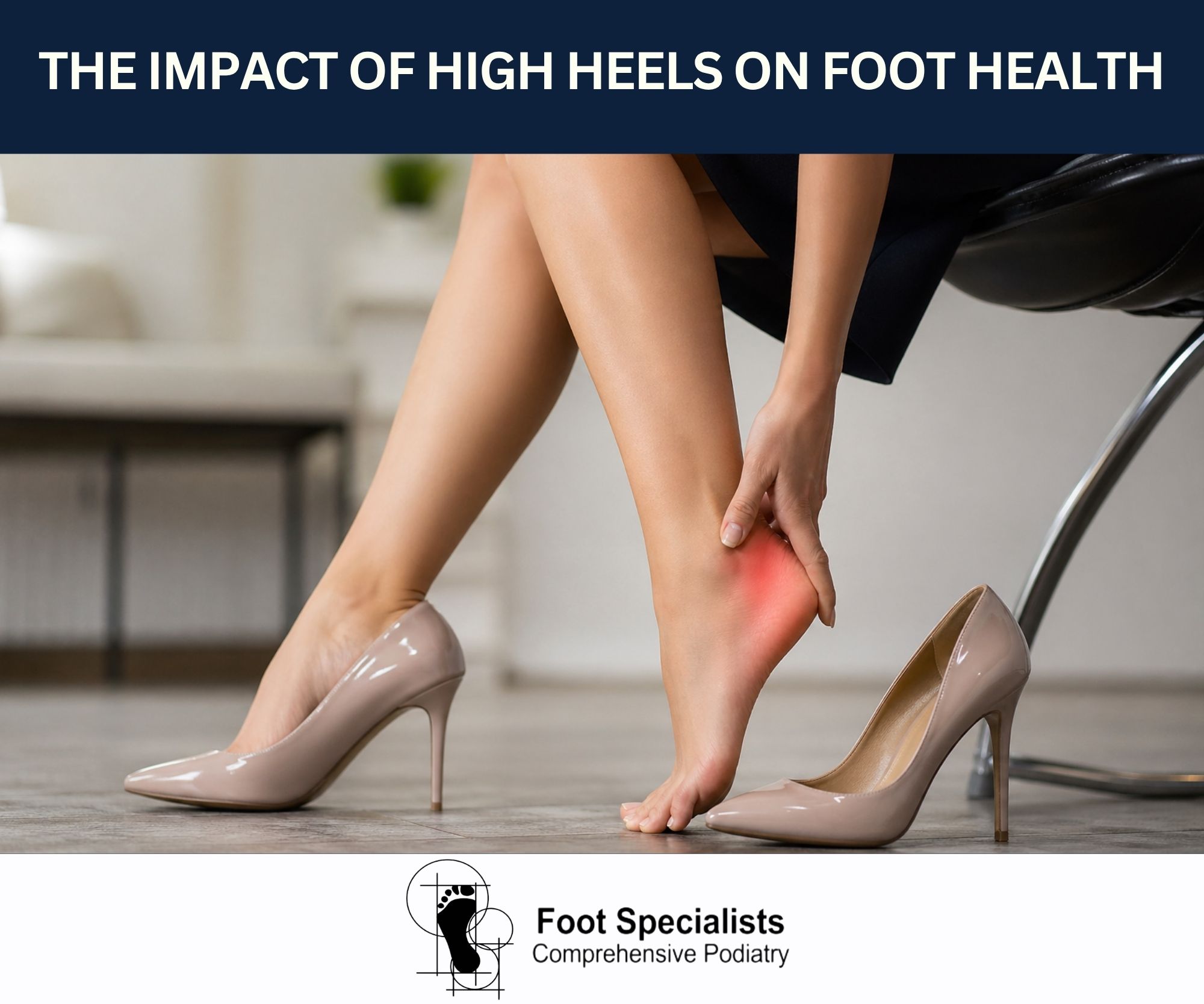
High heels have long been a symbol of style, confidence, and professionalism. From boardrooms to social events, they remain a staple in many wardrobes. However, behind the elegance lies a significant impact on foot health that is often overlooked. At Comprehensive Podiatry Associates, P.C. Foot Specialists, with convenient locations in East Setauket and Selden, NY, we regularly help patients address foot conditions caused or worsened by high heel use.
This article explores how high heels affect your feet, the risks involved, and how to protect your foot health without sacrificing style.
How High Heels Affect Your Feet
When you wear high heels, your body weight shifts forward onto the ball of your foot. This unnatural distribution of pressure can lead to a variety of problems over time.
1. Increased Forefoot Pressure
High heels force up to 75% of your body weight onto the front of your foot. This can cause:
- Pain in the ball of the foot (metatarsalgia)
- Development of calluses and corns
- Stress fractures in severe cases
2. Altered Posture and Alignment
Heels change your natural posture by:
- Tilting your pelvis forward
- Increasing pressure on your knees and lower back
- Shortening your calf muscles over time
This misalignment can lead to chronic pain beyond just your feet.
3. Risk of Bunions and Hammertoes
Narrow, pointed heels compress your toes into a tight space, contributing to:
- Bunions (a bony bump at the base of the big toe)
- Hammertoes (abnormal bending of toe joints)
These conditions can become permanent and may require medical or surgical intervention.
4. Achilles Tendon Tightening
Frequent heel wear can shorten and stiffen the Achilles tendon. When switching to flat shoes, this may result in:
- Heel pain
- Limited flexibility
- Increased risk of tendon injuries
5. Ankle Instability and Injury
High heels reduce stability and increase the risk of:
- Ankle sprains
- Falls
- Ligament damage
Long-Term Consequences of Wearing High Heels
Wearing high heels occasionally is generally safe, but prolonged or daily use can lead to chronic conditions such as:
- Plantar fasciitis
- Neuromas (nerve pain between toes)
- Arthritis in the foot and ankle
- Persistent foot deformities
Early intervention from a podiatrist can help prevent these issues from worsening.
Tips to Minimize Damage While Wearing High Heels
If you choose to wear heels, consider these podiatrist-recommended tips:
- Limit wear time – Avoid wearing heels all day
- Choose lower heels – Opt for heels under 2 inches when possible
- Look for supportive designs – Wider toe boxes and cushioned soles help reduce strain
- Use orthotic inserts – Custom or over-the-counter inserts can improve support
- Stretch regularly – Stretch your calves and Achilles tendon daily
- Alternate footwear – Switch to supportive shoes throughout the day
When to See a Podiatrist
If you experience any of the following, it’s time to consult a foot specialist:
- Persistent foot or heel pain
- Visible deformities (bunions, hammertoes)
- Numbness or tingling in the toes
- Difficulty walking comfortably
At Comprehensive Podiatry Associates, P.C. Foot Specialists, our experienced team provides personalized treatment plans to restore comfort and mobility.
Frequently Asked Questions (Q&A)
Q1: Are high heels bad for your feet?
Yes, especially when worn frequently or for long periods. They can lead to pain, deformities, and long-term foot conditions.
Q2: What is the safest heel height?
Heels under 2 inches are generally considered safer and place less stress on the foot.
Q3: Can damage from high heels be reversed?
Some issues, like mild pain or inflammation, can improve with proper care. However, structural deformities may require medical treatment.
Q4: Do platform heels reduce foot strain?
Platform heels can reduce pressure compared to stilettos, but they still alter posture and should be worn in moderation.
Q5: What shoes should I wear after wearing heels?
Supportive, cushioned shoes with good arch support—like sneakers or orthopedic footwear—help your feet recover.
Q6: Can men experience similar issues?
While high heels are more commonly worn by women, anyone wearing elevated or poorly fitted footwear can experience similar foot problems.
Q7: How can a podiatrist help?
A podiatrist can diagnose foot conditions, provide custom orthotics, recommend footwear, and offer treatments ranging from conservative care to surgery if needed.
Protect Your Foot Health Today
Fashion doesn’t have to come at the cost of your health. By making informed footwear choices and seeking professional care when needed, you can maintain both style and comfort.
Contact Comprehensive Podiatry Associates, P.C. Foot Specialists
East Setauket Location:
35 Shore Road
East Setauket, NY 11733
Phone: (631) 689-0202
Selden Location:
871 Middle Country Road
Selden, NY 11784
Phone: (631) 451-1125
Website: nycompod.com